How to Turn Expertise Into a Story (And Why It Makes Ideas Instantly Clear)
Last night, I opened a manuscript I hadn’t touched in years. Book four in a five-book series.
When work sits that long, you assume the problems will be something structural. LARGE. Plot holes. Character arcs. Something so complicated it requires tearing half the story apart. I’ve thought that for years, which is why I let it sit on the proverbial shelf getting dusty.
But the problem turned out to be embarrassingly simple, and I recognized it this time because of my marketing work in helping experts share their story and build a brand that makes them unmistakable.
The problem? The middle of the book had stopped letting the reader discover things. It had started explaining them.
Once I saw it, the fixes became obvious. I don’t need to scrap all 100K words (really, I thought I would), and rewrite the entire thing. I just need to stop explaining the middle.
Writers Know This Problem as “Show vs. Tell”
Writers know this moment well. It’s the place in a manuscript where the pacing suddenly drags and characters begin explaining things to each other—backstory, history, world-building.
You can feel the energy drop.
We often call it the muddy middle.
Most of the time, the fix isn’t removing the information. It’s threading that information through a moment where the reader discovers it alongside the character. In other words, it’s a classic show vs. tell problem.
The same principle applies to expert content. When something feels confusing, our instinct is to explain more. More definitions, more frameworks, more context.
But people rarely struggle because there isn’t enough explanation. They struggle because there isn’t a bridge between knowledge and experience.
That bridge is where insight happens.
Why Experts Over-Explain
Expert knowledge usually looks like this: frameworks, definitions, analysis, advice, best practices.
Audience understanding usually starts somewhere else—moments, observations, mistakes, stories, lived experiences.
And experts are trained to explain things clearly, so when something feels muddy, the instinct is predictable: add more explanation. More definitions. More frameworks. More context.
But audiences usually aren’t struggling because there isn’t enough explanation. They’re struggling because there isn’t a bridge between knowledge and experience.
That bridge is where insight happens.
Most of the time, it follows a simple pattern: Moment → Tension → Reveal → Reframe → Outcome.
And when you know the pattern, you’ll be able to spot the structure everywhere.
If you want the step-by-step structure behind this pattern, read The Insight Bridge Method: How to Turn Complex Ideas Into Clear Moments.
Example: How Apple Turned Technology Into a Story
When the iPod launched, Apple had plenty of technical features they could have emphasized. Storage capacity, digital audio formats, file compression.
They could have described the product like this:
“The iPod is a portable digital music player with a high-capacity hard drive capable of storing a large number of MP3 files.”
Technically correct. Also instantly forgettable.
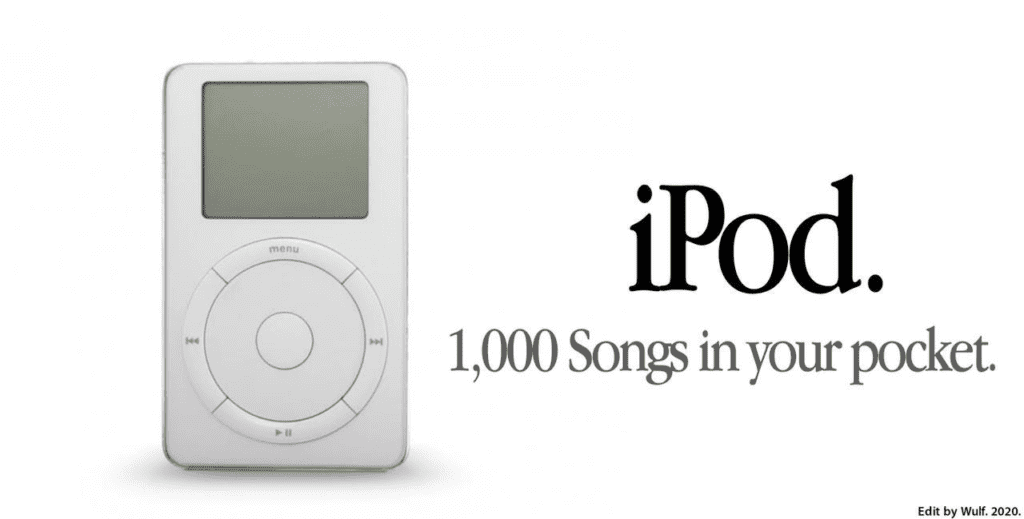
Instead, they said: “1,000 songs in your pocket.”
To understand why that line worked, you have to remember what listening to music looked like before the iPod. Road trips meant binders full of CDs in the passenger seat. You swapped discs while driving. Portable CD players skipped every time the car hit a bump.
Apple didn’t describe the technology. They described the moment you could SEE that the technology created for you.
You could imagine walking through the city with your entire music collection.
A long flight where the music never ran out.
A road trip without digging through plastic sleeves.
People don’t picture gigabytes. They picture experiences.
That’s the bridge.
Another Brand That Shows the Same Pattern
Dropbox faced the same challenge. The underlying technology was complicated: cloud storage, file synchronization, server replication. They could have explained it in technical language and lost half the room.
Instead, they showed something simple.
A file goes into a folder on one computer. Seconds later, the same file appears on another computer.
No USB drive. No emailing attachments. No wondering which version is the latest.
They didn’t explain the infrastructure. They showed the moment where the problem disappears.
Storytelling Uses the Same Mechanism
Once you start looking for it, the same pattern shows up in movies and novels. Instead of explaining the idea, the story creates a moment where the audience experiences the insight.
If you want the step-by-step structure behind these moments, read: → The Insight Bridge Framework: How to Turn Complex Ideas Into Clear Moments
Here’s a few examples of how those moments show up:
Identity Moment – The Hunger Games
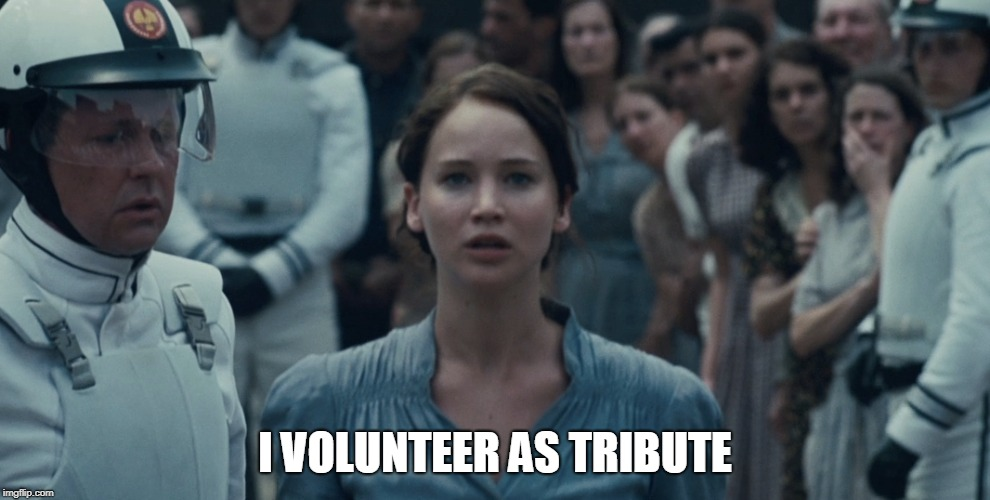
At the reaping ceremony, Prim’s name is drawn.
The audience already understands the rules. One tribute. Fight to the death. Only one survives.
The film could have explained Katniss’s motivations. Her love for her sister. Her anger at the Capitol. Her protective instincts.
Instead, the story gives us one moment.
Katniss steps forward and says, “I volunteer as tribute.”
That single action reveals everything. Her loyalty. Her courage. Her refusal to accept the rules. The story doesn’t explain her character. It lets the audience see it.
Expertise Moment – The Imitation Game

The challenge in the film is enormous: crack the German Enigma code. Millions of possible combinations. Changing every single day.
The movie could have buried the audience in mathematics and encryption theory.
Instead, the breakthrough comes through a simple observation.
Turing realizes that human habits leave patterns. Messages often include predictable phrases. Things like weather reports. Or “Heil Hitler.”
Suddenly the impossible code becomes solvable.
Not because the film explained cryptography, but because it revealed the human behavior hidden inside the system.
The insight clicks instantly.
Experience Moment – Good Will Hunting

Will understands psychology intellectually. He’s read the books. He can quote the theories.
Robin Williams’ character, Sean, knows that more explanation won’t change anything. So instead of lecturing him, Sean tells him something simple: “You don’t know about real loss.”
Then he walks through experiences Will hasn’t had.
Watching someone die.
Loving someone completely.
Choosing a life with another person.
Will knows the theory of human emotion. But in that moment he realizes something else: knowledge and experience are not the same thing.
That realization lands harder than any lecture ever could.
Perspective Moment – The Martian

Mark Watney wakes up alone on Mars.
The situation is terrifying. No rescue mission. Limited supplies. A hostile planet. The movie could have spent time explaining the technical survival plan.
Instead, Watney records a video log and says, “I’m going to have to science the hell out of this.”
That single sentence reframes the entire situation. The problem isn’t hopeless anymore. It’s a series of solvable experiments. The audience instantly shifts from fear to curiosity. How will he solve this one?
Discovery Moment – Da Vinci Code
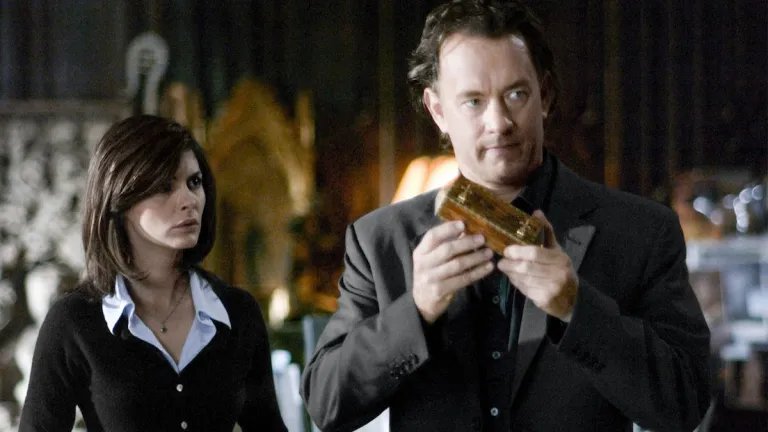
Dan Brown’s novels are packed with complex material: art history, religious symbolism, cryptography.
That could easily turn into pages of explanation. Instead, the information appears through puzzles.
Early in the story, Robert Langdon examines the strange message left beside Jacques Saunière’s body. At first it looks like nonsense. Then Langdon notices something. The letters can be rearranged.
The message is an anagram.
As the characters solve the puzzle, the reader learns the concept of anagrams at the exact same moment. Instead of explaining the idea first, the story lets the audience experience the discovery.
The knowledge arrives through action, not explanation.
System Reveal — The Devil Wears Prada

At the start of the scene, Andy dismisses fashion as trivial.
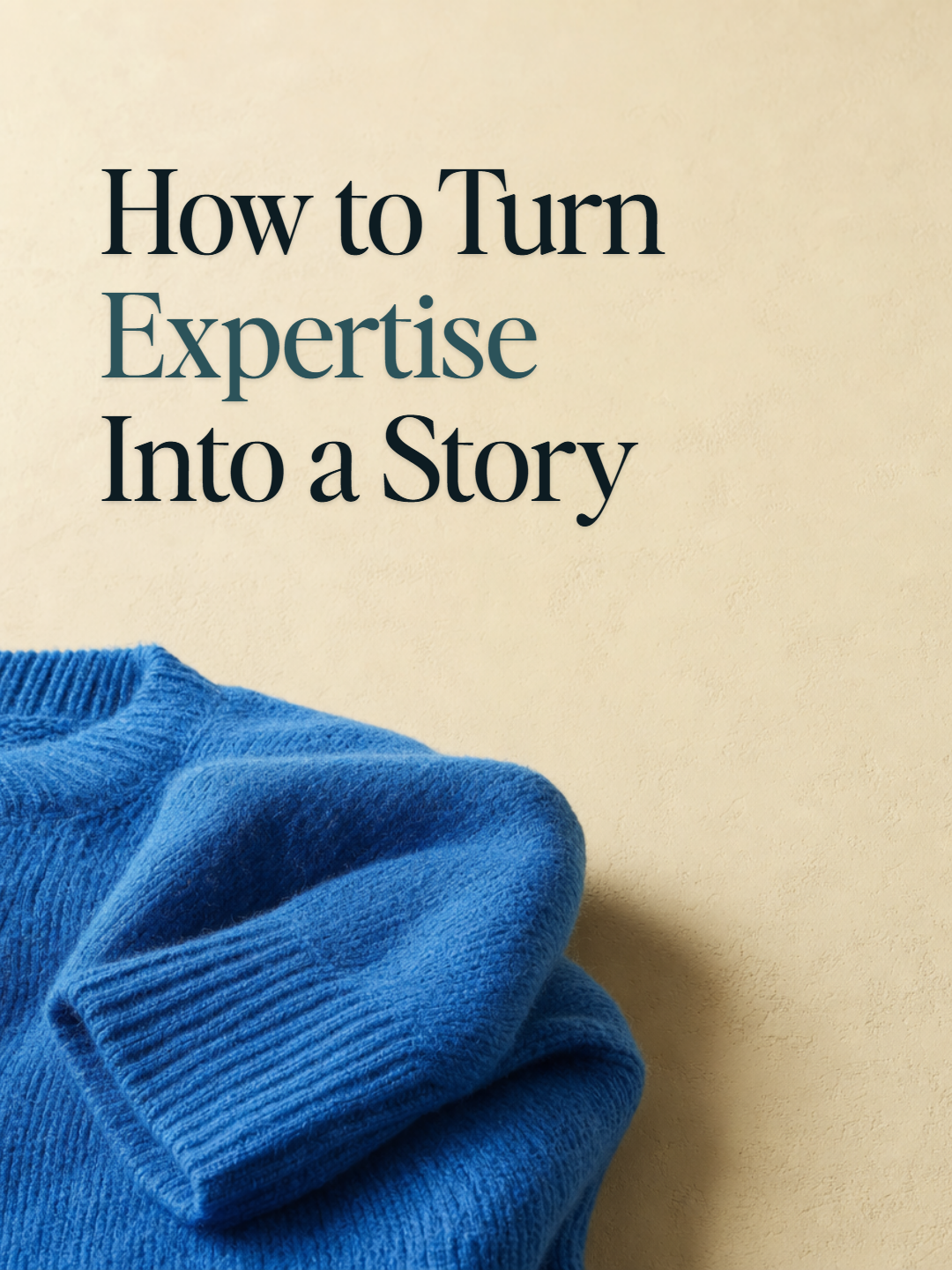
Miranda doesn’t argue or go into the deep world of fashion supply chains. She simply points to Andy’s sweater. Then she reveals something Andy never considered.
That “random” blue sweater wasn’t random at all.
The color was chosen by designers,
adopted by couture houses,
filtered through fashion brands,
manufactured by retailers, and
discounted into the bin where Andy bought it.
Andy thought she was outside the fashion world. Miranda shows her she’s been inside it all along. That moment doesn’t just explain the fashion industry. It changes how Andy sees herself.
How These Moments Actually Work
If you look closely at all of these examples — brands, films, novels — they’re doing the same thing.
They’re taking something complicated and turning it into a moment the audience can experience.
But they don’t all do it the same way.
Here are a few of the most common ways storytellers and brands build that bridge: mental picture, visible action, character choice, lived experience, perspective shift.
Apple translates technical storage capacity through a mental picture.
“1,000 songs in your pocket.”
You don’t think about file sizes. You imagine the moment.
Dropbox translates cloud storage through visible action.
Put a file here. → It appears there.
You don’t think about servers. You see the outcome.
Katniss reveals courage through a character decision.
“I volunteer as tribute.”
You don’t hear an explanation. You see the choice.
Sean reveals emotional truth through lived experience.
“You don’t know about real loss.”
You don’t hear a theory. You feel the gap between knowledge and experience.
Watney reframes survival through a perspective shift.
“I’m going to science the hell out of this.”
You don’t hear the survival plan. You see the problem change.
Langdon explains symbolism through discovery.
A strange message becomes an anagram.
You don’t read a lecture. You solve the clue.
Miranda reveals the fashion system through an example.
The cerulean sweater isn’t random.
You don’t hear a lecture. You suddenly see the system.
Why the Brain Responds to This
There are a few cognitive mechanisms at work here.
One is narrative transportation. When we picture a moment, the brain simulates the experience. That simulation makes ideas easier to understand and remember.
Another is cognitive mapping. The brain learns new information by attaching it to familiar experiences. “1,000 songs in your pocket” works because we already know what carrying music feels like.
And then there’s the curiosity gap. Tension creates a question. The brain wants the answer. That anticipation makes the reveal feel meaningful.
If you’re wondering how to actually build one of these moments in your own content, I break down the exact structure here
The Bridge Between Knowledge and Insight
When I reopened my manuscript the other night, I expected to find a complicated structural problem. Instead, I found something simpler. The story had stopped letting the reader discover things. It had started explaining them.
The fix wasn’t rewriting the book. It was restoring the moments where the reader learns something at the same time the characters do.
Apple did the same thing with the iPod. They didn’t explain the technology. They showed us the moment: 1,000 songs in your pocket.
We could see it. We could picture it. The expertise had become the engine that built a moment that meaningful for us. The expertise isn’t what moves us. The moment is. That’s the real bridge between knowledge and insight.
Frequently Asked Questions About Storytelling and Expertise
Why is storytelling effective in marketing?
Storytelling connects ideas to lived experience, which helps the brain process and remember information more easily.
How do you explain complex ideas clearly?
Translate the idea into a moment people can imagine instead of leading with abstract explanation.
Why do experts struggle to communicate clearly?
Experts think in systems and frameworks. Audiences understand ideas through experiences and stories.
What makes a message memorable?
Concrete imagery, emotional tension, and a clear insight create stronger memory signals than explanation alone.
The Cold Brand Read · Free to start
Before you fix the wrong thing, let me read what’s there.
Send me your site. I’ll show you what it’s saying about you, and what it’s leaving out.
Or take the Story Compass quiz